Smart service starts with structured operations
AI and IoT are only useful when the underlying data is clean: lifts, contracts, visits, complaints, technicians, parts, and customers need structured records.
Elevator service is moving toward AI-ready, IoT-ready, analytics-driven workflows that improve maintenance planning, response time, customer trust, and operational intelligence.

Beyond the general advice, here's how this plays out in the daily reality of running sales, AMC, installation, service, technicians, and inventory as one connected operation.
AI and IoT are only useful when the underlying data is clean: lifts, contracts, visits, complaints, technicians, parts, and customers need structured records.
Future systems will combine usage patterns, complaint trends, service history, technician inputs, and parts data to make smarter maintenance decisions.
What's described above doesn't happen in isolation — it depends on CRM, ERP, AMC, service, technician, and customer app data staying in sync across the business.
CRM, ERP, AMC, service, projects, inventory, billing, and analytics.
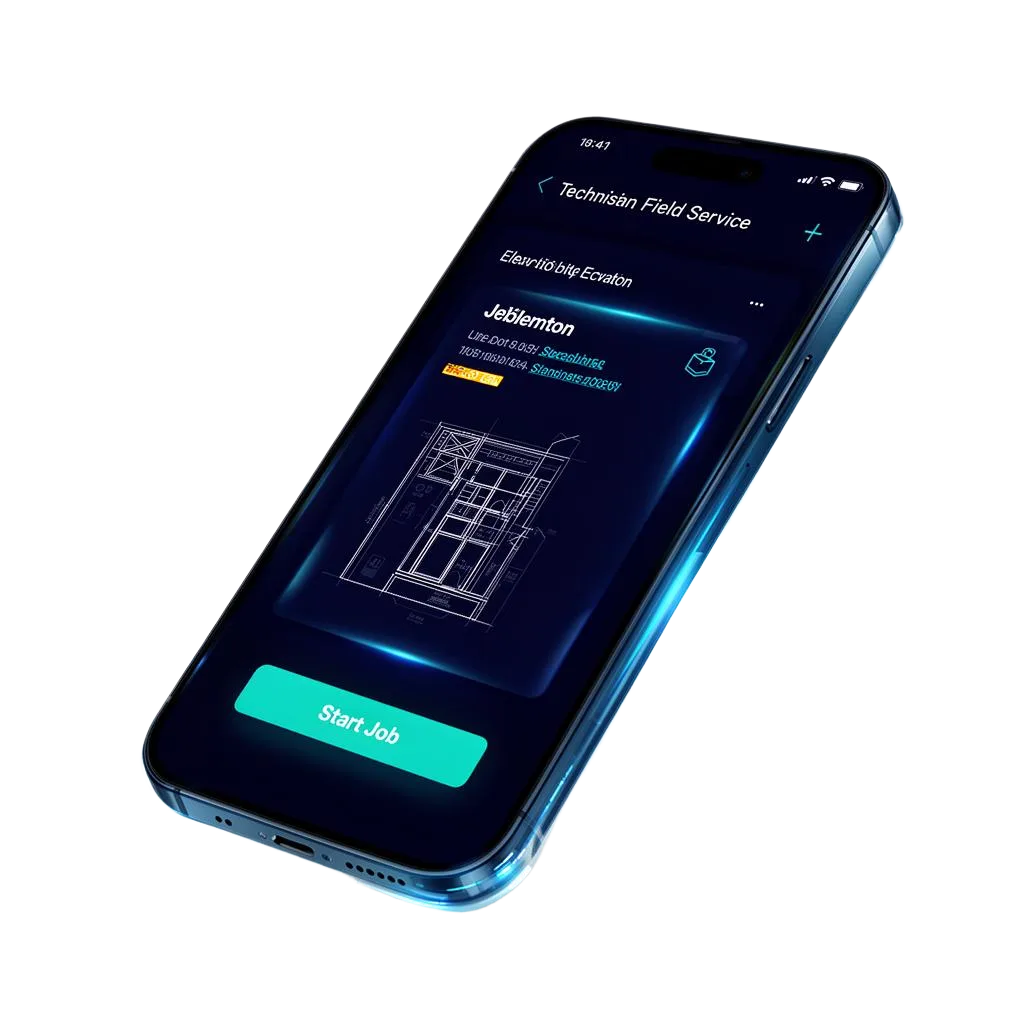
GPS, attendance, work orders, reports, photos, parts, and signatures.
Complaints, AMC visibility, service tracking, invoices, and notifications.

Clear answers for elevator companies evaluating specialized CRM, ERP, AMC, service, installation, technician, inventory, and management software.
It means the underlying data — lifts, contracts, visits, complaints, and parts usage — is structured and clean enough to eventually feed predictive models, even if a company isn't running AI-driven predictions yet.
Full predictive maintenance driven by IoT sensors is still mostly practical for larger operators, but small and mid-sized companies can get most of the benefit today by analyzing complaint trends and service history that's already structured in their CRM.
Consistent lift-wise service history, complaint categories and frequency, parts replaced per visit, and technician-reported condition notes — the same operational data a well-run CRM already captures for AMC management.
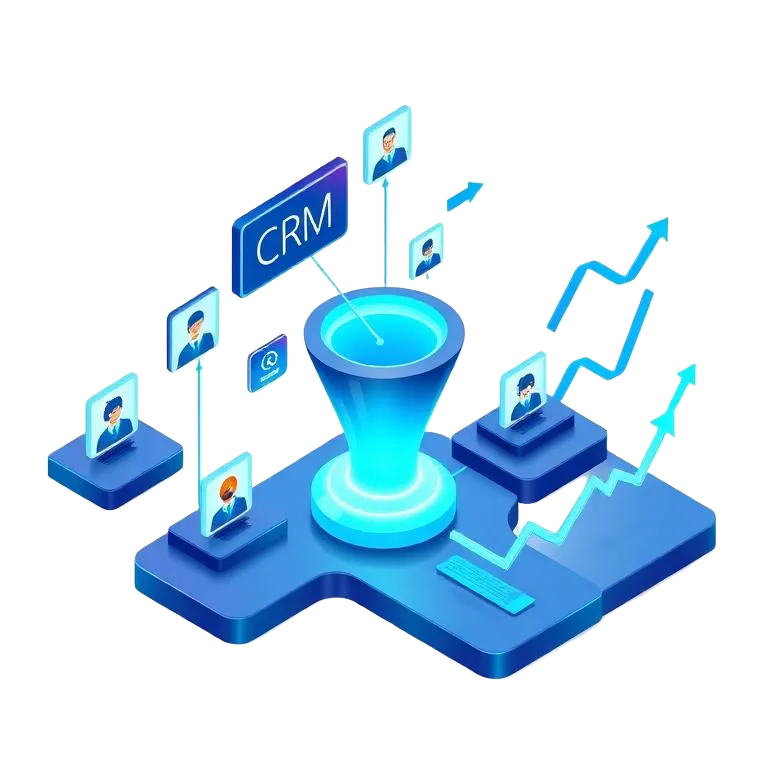
Generic CRM software fails elevator companies because it can't handle AMC, installation, breakdown service, technician, and inventory workflows.
A practical guide to elevator AMC management covering preventive maintenance, schedules, renewals, technician dispatch, service history, and customer updates.
Explore how elevator companies use GPS tracking, geofenced attendance, mobile work orders, safety checklists, digital signatures, and offline service reports.
A practical guide to choosing Elevator CRM Software in India — Lift CRM, Elevator ERP, AMC, service, technician, and inventory workflows.
Elevator installation project management explained — site readiness, civil coordination, material readiness, testing, and handover.
How elevator service companies reduce breakdown response time with QR complaints, technician dispatch, GPS visibility, and spare readiness.
See how LiftFlow can connect your CRM, ERP, AMC, service, installation, technician, inventory, customer app, and billing workflows.
Book a 15-min call