Back to home
    Buying Guide

    Best Elevator CRM Software in India: what to look for.

    The right Elevator CRM should handle sales, quotations, AMC, installation, technicians, breakdown service, inventory, billing, analytics, and customer communication.

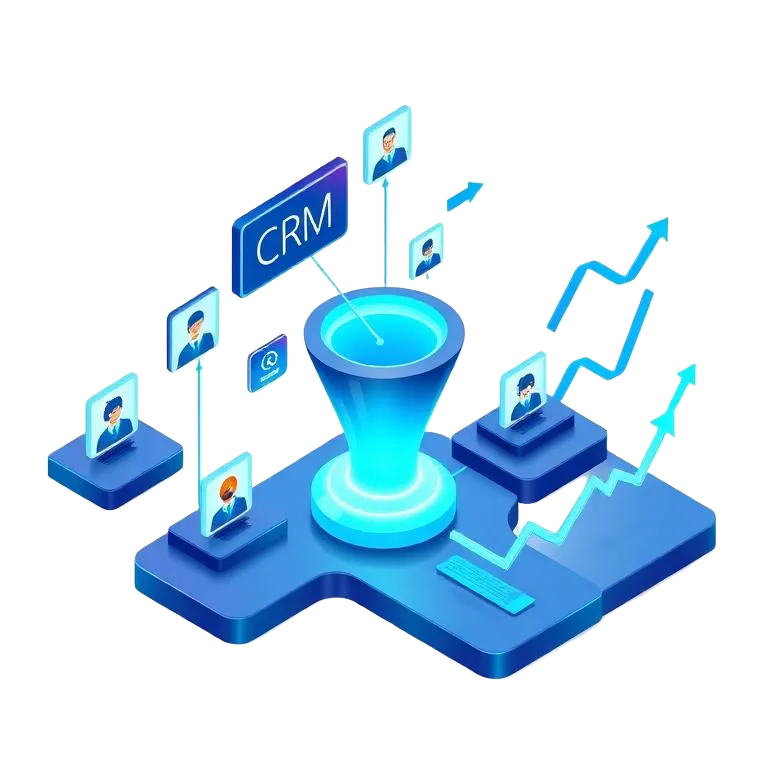
    Best Elevator CRM Software in India dashboard for elevator companies and lift companies
    Best Elevator CRM Software in India
    Lift CRM India
    Elevator CRM India

    What this actually means for an elevator company's operations.

    Beyond the general advice, here's how this plays out in the daily reality of running sales, AMC, installation, service, technicians, and inventory as one connected operation.

    Prioritize industry workflows over generic CRM checklists

    Most CRM comparison lists in India are written for retail or SaaS sales teams and score software on pipelines, email templates, and lead scoring. None of that reflects how elevator companies actually sell: a lead usually starts with a site survey request, moves through shaft and building-specific quotation revisions, and often converts into an AMC contract only after installation is complete. When you shortlist software, test it against this exact sequence instead of a generic feature checklist.

    Site survey scheduling
    Shaft and building-specific quotes
    AMC conversion tracking
    Quotation revision history

    Confirm AMC and preventive maintenance are native, not bolted on

    AMC is where elevator companies in India earn recurring revenue, so treat it as a core evaluation criterion, not an add-on module. Ask vendors to demo lift-wise contract records, auto-generated preventive maintenance schedules, renewal reminders tied to actual contract end dates, and service history that a technician can pull up on-site during a breakdown visit.

    Lift-wise contract records
    Auto-generated PM schedules
    Renewal reminder automation
    On-site service history access

    Test the technician mobile app before you buy, not after

    Office-side CRM screens look similar across vendors; the real differentiator is what a technician sees on their phone at a customer site with patchy network coverage. Ask for a live demo of the field app covering GPS-based geofenced attendance, offline work order access, digital safety checklists, and photo or signature capture for service closure. If the field app is an afterthought, adoption in the field will fail regardless of how good the office dashboard looks.

    Offline-capable work orders
    Geofenced attendance
    Digital safety checklists
    Photo and signature capture

    Check that inventory and billing connect to the service job

    Elevator service consumes spare parts constantly, so disconnected inventory and billing create the same reconciliation headaches as spreadsheets. Verify that a technician's parts usage automatically updates stock, triggers material requisition notes (MRN), and flows into the customer invoice, instead of requiring manual entry by three different people across three different tools.

    Job-linked spare usage
    MRN and PO-to-stock linkage
    Low-stock alerts
    Auto-generated service invoices

    Evaluate implementation, data hosting, and support model in India

    For lift companies operating in Indian cities, ask each vendor three practical questions: how long does onboarding actually take with real historical data, is data hosted in a way that meets Indian data-handling expectations, and what does day-to-day support look like once the free trial period ends. A software that scores well on features but takes months to onboard, or offers no local support, will cost more in lost productivity than its subscription fee.

    Realistic onboarding timeline
    Data hosting and export
    Ongoing support model
    Pricing transparency

    In practice, this connects to the rest of the operation.

    What's described above doesn't happen in isolation — it depends on CRM, ERP, AMC, service, technician, and customer app data staying in sync across the business.

    Web

    Management Portal

    CRM, ERP, AMC, service, projects, inventory, billing, and analytics.

    Mobile

    Technician App

    GPS, attendance, work orders, reports, photos, parts, and signatures.

    Connect

    Customer App

    Complaints, AMC visibility, service tracking, invoices, and notifications.

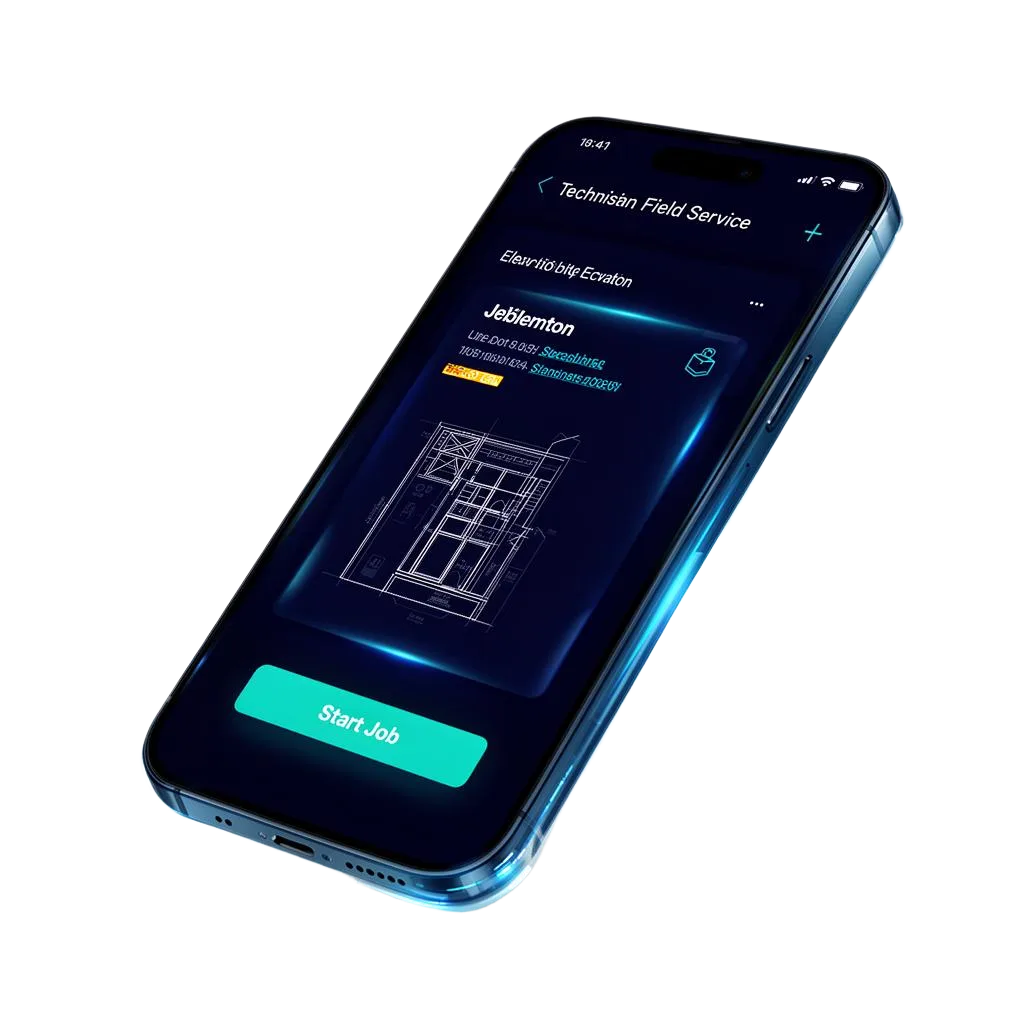
    LiftFlow technician mobile app for elevator field operations

    Frequently asked questions

    Clear answers for elevator companies evaluating specialized CRM, ERP, AMC, service, installation, technician, inventory, and management software.

    What should I actually compare when choosing the best elevator CRM software in India?

    Compare vendors on elevator-specific workflow depth (site survey to AMC conversion), whether AMC and preventive maintenance scheduling are native features, the quality of the technician mobile app in offline conditions, whether inventory and billing are linked to service jobs, and the realistic onboarding timeline — not generic CRM feature checklists built for other industries.

    Is cloud-based or on-premise elevator CRM better for Indian lift companies?

    Cloud-based Elevator CRM is generally a better fit for most Indian lift companies because technicians and site teams need mobile access from multiple locations, and cloud deployment avoids the server maintenance overhead that on-premise setups require from a small IT team or none at all.

    How long does it take to implement elevator CRM software in India?

    Implementation timelines vary by vendor and by how much historical customer, contract, and lift data needs to be migrated. Ask vendors for a realistic onboarding timeline based on your current data volume, not a generic 'go live in a day' claim, since AMC and lift-wise history migration is usually the slowest step.

    Does elevator CRM software in India need to support GST billing?

    Yes — any elevator CRM or ERP used by lift companies in India should generate GST-compliant invoices, support HSN/SAC codes for spare parts and services, and integrate billing with inventory movement so tax records stay consistent with actual stock and service activity.

    What is the biggest mistake lift companies make when choosing CRM software?

    The most common mistake is selecting software based on office-side CRM screens alone and skipping a live test of the technician mobile app under real field conditions such as poor network coverage, since that is where day-to-day adoption actually succeeds or fails.
    Built for elevator companies ready to scale.

    See how LiftFlow can connect your CRM, ERP, AMC, service, installation, technician, inventory, customer app, and billing workflows.

    Book a 15-min call